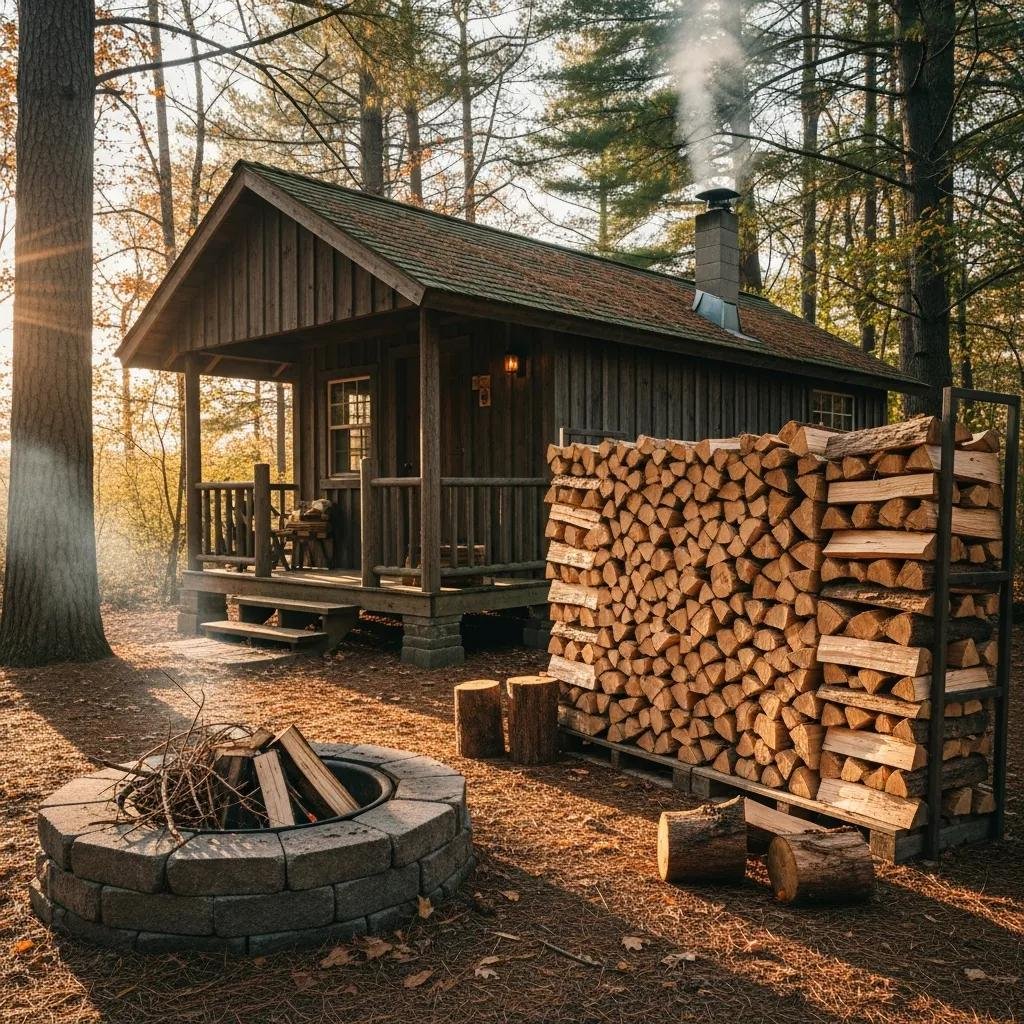
Premium Firewood Delivery & Pickup for Home and Business
Premium firewood delivery and pickup services provide ready-to-burn wood, dependable logistics, and optional handling so homeowners and businesses can heat, cook, or entertain without the time and mess of sourcing and splitting wood themselves. This article explains the major firewood types available for delivery and pickup, how delivery and pickup models work, where to find local pickup options, and how to choose wood for fireplaces, stoves, fire pits, and cooking. Many people struggle with inconsistent fuel quality, high moisture content, pests, or unpredictable supply; premium services solve these problems by offering kiln-dried and seasoned hardwoods, clear moisture specs, and reliable delivery or pickup formats. You will learn how kiln-dried and seasoned firewood differ, which species suit particular appliances, the value of bulk orders and subscription deliveries, and practical pickup tips for efficient loading and storage. The guide also compares formats like bundles, face cords, and full cords, presents quick decision rules for cooking versus heating wood, and shows how delivery add-ons such as stacking and white-glove handling reduce customer effort. Read on to get concise, actionable guidance for selecting, ordering, and storing pest-free, low-moisture firewood that meets heat-output and flavor needs.
What Types of Premium Firewood Are Available for Delivery and Pickup?
Premium firewood offerings typically include kiln-dried hardwoods, well-seasoned species, softwood mixes, and convenient formats such as bundles, face cords, full cords, and palletized bulk. Kiln-dried products have lower moisture content and predictable BTU output, while seasoned hardwoods offer cost efficiency and long burn times; formats matter for immediate use versus seasonal storage. Understanding species characteristics, moisture content, and format helps match wood to your appliance and schedule; the next subsections break down kiln-dried benefits and species differences.
Below is a quick comparison table to help you decide between species and drying states before exploring delivery logistics and formats.
| Species / Format | Typical Moisture Content | Burn Characteristic / BTU Notes |
|---|---|---|
| Kiln-dried oak | 10–20% | High BTU, long-lasting coals, low smoke |
| Seasoned hickory | 15–25% | Very high BTU, strong flavor for cooking |
| Mixed hardwood bundle | 15–22% | Balanced burn, good for fireplaces and stoves |
| Softwood bundle (pine mix) | 15–30% | Faster ignition, more sap and smoke; not ideal for long indoor burns |
This comparison highlights that kiln-dried oak delivers predictable heat with lower smoke, while seasoned hickory excels for heat and flavor; choosing a format and species depends on immediate use and storage plans. Understanding these attributes prepares you to evaluate delivery and pickup service options more effectively. The importance of local knowledge in selecting firewood species based on their combustion properties is further emphasized by research into traditional practices.
Firewood Species Selection & Combustion Properties
Human populations develop locally-based knowledge about the species used as firewood through the use of natural resources, and by experimenting with cultural guidelines and transmitting their experiencies. In the selection and use of firewood this knowledge is mainly based on the igneous properties of each species. This study was carried out in rural settlements and indigenous populations of the province of Misiones, Argentina. We surveyed combustion properties and local categories of firewood classification. We analyzed the most relevant characteristics of the firewood obtained from different species and the multiple applications assigned to it according to local criteria. We recorded the origin of the species used as fuel and their selection criteria, the vernacular nomenclature and the descriptor elements of the firewood qualities. Based on them we identified classification categories.
Species selection criteria for firewood. Preferred species and classification categories in two local communities in eastern Misiones, Argentina, 2024
What Are the Benefits of Kiln-Dried Firewood for Efficient Burning?
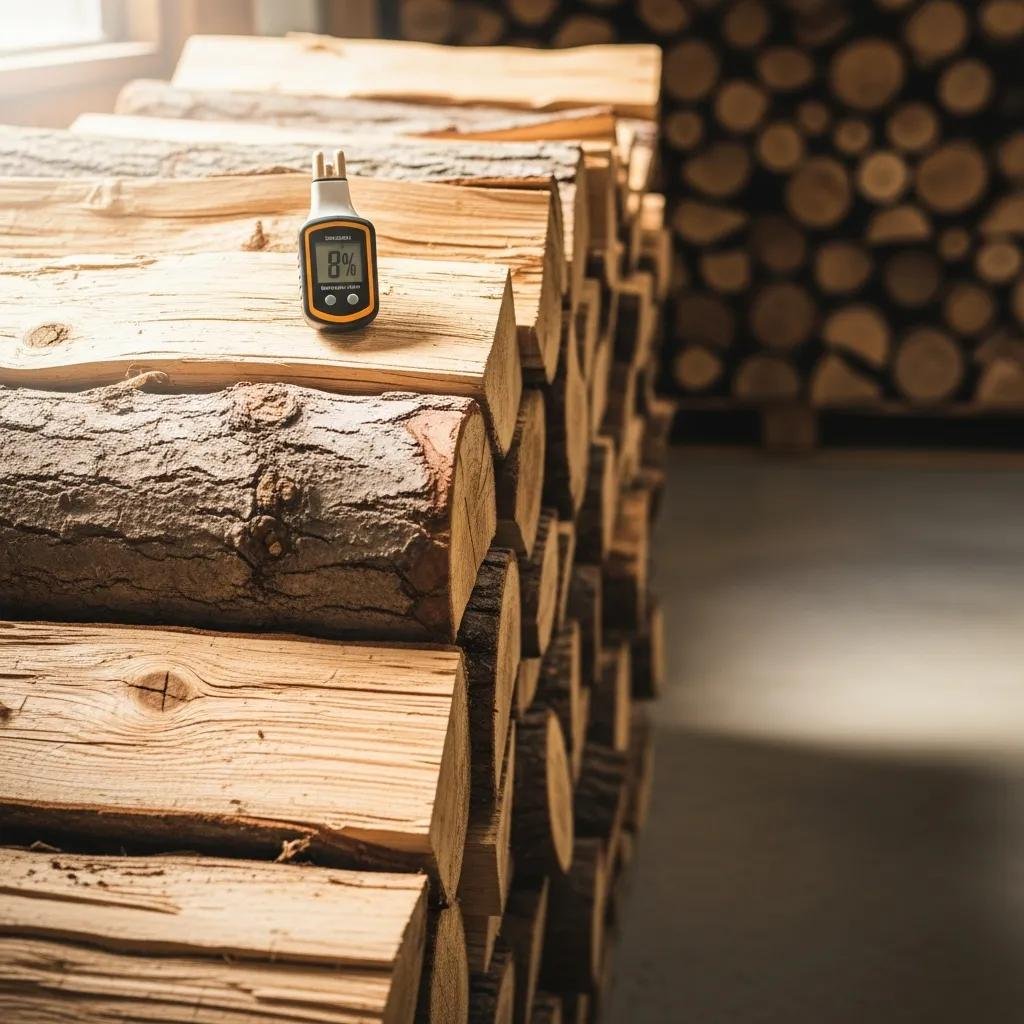
Kiln-dried firewood is wood that has been dried in a controlled chamber to reduce moisture to roughly 10–20%, producing cleaner combustion and higher usable heat output per unit. Lower moisture content increases BTU efficiency because less energy evaporates water; as a result, kiln-dried logs ignite faster, burn hotter, and create less smoke and creosote than wetter seasoned wood. Kiln drying also functions as a pest-control step—high temperatures eliminate bark beetles and many invasive insects—so delivered wood is more likely to be pest-free. For homeowners who want immediate, consistent performance for fireplaces, wood stoves, or pizza ovens, kiln-dried wood is a reliable choice that reduces maintenance and improves air quality indoors.
How Do Seasoned and Hardwood Firewood Varieties Differ in Use and Quality?
Seasoned firewood refers to wood air-dried for months to lower its moisture content, typically to around 15–25%, and offers a cost-effective, long-burning option for many users. Hardwoods such as oak, hickory, maple, ash, and cherry vary in BTU per cord, burn duration, and smoke profile: oak and hickory provide long coals and high heat, maple and ash burn steadily with moderate smoke, and cherry adds pleasant aroma for cooking. Seasoned hardwoods require proper storage—elevated, covered, and well-ventilated—to prevent rewetting and pest access, which is essential to preserve their burn quality. If you need immediate ignition and minimal smoke for indoor appliances, kiln-dried hardwood is preferable; if you prioritize cost and long-duration burns with good storage, well-seasoned hardwoods are an excellent option.
How Do Our Firewood Delivery Services Provide Convenience and Reliability?
Delivery services solve the logistics of fuel supply by offering on-demand drops, scheduled deliveries, and subscription models, and they often include handling services such as stacking and site cleanup to reduce customer labor. Reliable providers publish delivery windows, confirm orders by phone or message, and offer tracking or delivery notifications so customers can plan placement and stacking before arrival. Value-added options like white-glove delivery place and stack wood in a sheltered location, which reduces the risk of water exposure and pests and speeds readiness for use. The section below outlines concrete service options, compares frequency and suitability, and presents a service-options table to help you select the delivery model that matches your usage patterns.
| Service Option | Attribute | Typical Characteristic |
|---|---|---|
| On-demand delivery | Lead time | Same-day to 3 days for local availability |
| Scheduled delivery | Frequency | One-time or scheduled date windows |
| Subscription delivery | Frequency | Weekly, biweekly, monthly, or seasonal cadence |
What Are the Options for On-Demand and Subscription Firewood Delivery?
On-demand delivery provides quick replenishment when you run low or need wood for a specific event, typically arranged through a single order and useful for seasonal spikes. Subscription delivery schedules regular shipments—weekly, biweekly, monthly, or seasonal—to maintain a steady supply, reducing ordering hassle and smoothing seasonal price or availability fluctuations. Pros and cons tend to balance immediacy versus predictability: on-demand gives flexibility but requires monitoring inventory, while subscriptions minimize management but require commitment to storage and regular payment. Consider your appliance load and household usage: if you rely on wood for primary heating, a subscription model typically delivers better value and peace of mind.
How Does White-Glove Delivery and Stacking Enhance Customer Experience?
White-glove delivery includes placement of bundles or cords into a chosen sheltered area, careful stacking to promote airflow, and removal of packing debris, which significantly reduces homeowner labor and risk of improper stacking. Proper stacking techniques—off the ground, with a tapered roof or cover, and cross-stacked end rows—promote seasoning, reduce rot, and limit pest habitat, thereby extending fuel life and preserving BTU output. The service saves time and improves safety by avoiding heavy lifting, improper stacking, and exposure of wood to ground moisture; for customers with mobility concerns or high-volume orders, it is a practical upgrade. Choosing white-glove service ensures the wood is ready to burn sooner and requires less ongoing handling, which simplifies winter preparations and event planning.
Where Can You Access Firewood Pickup Services Near You?

Firewood pickup services are offered via 24/7 self-service yards, scheduled pickup windows at local depots, and partner retail locations where customers reserve and collect bundles or cords; these options balance cost and convenience. Self-service pickup points often allow after-hours access to palletized wood, reducing delivery fees and enabling immediate collection, while scheduled pickup accommodates larger orders requiring staff help or forklift loading. When choosing pickup, check service area boundaries, confirm available species and quantities, and verify vehicle load limits to ensure efficient transport. The next subsections compare the benefits of different pickup styles and offer practical search and preparation tips for local collection.
- 24/7 self-service yards provide anytime access and reduce delivery costs for customers with suitable vehicles.
- Scheduled depot pickups allow coordinated loading for bulk orders and typically include staff assistance.
- Retail or partner pickup points offer convenience in urban areas where storage and transport are more constrained.
What Are the Benefits of 24/7 Self-Service and Scheduled Firewood Pickup?
24/7 self-service pickup offers maximum flexibility, letting customers collect wood outside normal business hours and often saving money by avoiding delivery fees and scheduling constraints. Scheduled pickup is ideal for larger orders, providing staff assistance and equipment for safe loading, which reduces physical strain and speeds the process for full-cord or pallet orders. Both models require pre-checks—confirm species, quantity, payment method, and loading equipment—and benefit from an inventory verification step to avoid wasted trips. If you plan to pick up frequently, knowing your vehicle’s cargo capacity and how to secure loads will make trips faster and safer, connecting directly to storage and stacking practices discussed later.
How to Find Local Firewood Pickup Locations and Service Areas?
To locate pickup points, use ZIP-based searches, local maps, or supplier location tools and always call ahead to confirm inventory, species availability, and loading arrangements before you depart. Bring a checklist that includes vehicle dimensions, tie-down straps, gloves, and a tarp to secure the load; this simple preparation speeds loading and protects your cargo from weather. For larger pickups, reserve time slots and ask about forklift or pallet jack availability to reduce lifting; confirm whether scales or weigh slips are provided for bulk orders to match expected quantities. Verifying these logistics before travel avoids delays and ensures the wood you pick up matches appliance and storage needs covered in the next section.
How to Choose the Right Firewood for Your Specific Needs and Uses?
Choosing the right firewood depends on the appliance (fireplace, wood stove, fire pit), desired heat output, smoke tolerance, and whether you intend to cook or smoke with the wood. Match high-BTU hardwoods like oak and hickory to stoves and prolonged heating needs, while kiln-dried hardwoods suit indoor fireplaces because they minimize smoke and creosote buildup. Consider storage capacity and seasoning needs: if you must store wood outdoors, plan for elevated, covered stacking to maintain moisture content and pest-free status. The subsections below provide appliance-specific recommendations and culinary pairings, helping you select species, cut length, and moisture level for each use case.
Here is a quick decision checklist to match wood to appliance and purpose.
- Determine the primary use for the wood: primary heating, occasional fireplace use, outdoor cooking, or smoking.
- Prioritize kiln-dried hardwood for indoor fireplaces and wood stoves to reduce creosote and improve ignition.
- For cooking, select fruitwoods or hickory for flavor and ensure moisture content is appropriate for the oven or smoker.
Which Firewood Types Are Best for Fireplaces, Wood Stoves, and Fire Pits?
Fireplaces typically perform best with kiln-dried hardwoods—such as oak or seasoned maple—because lower moisture reduces smoke and creosote, which protects chimneys. Wood stoves favor the highest-BTU hardwoods like hickory and oak that produce long-lasting coals and efficient heat transfer, keeping interior spaces warm with less frequent feeding. Fire pits and outdoor bonfires can accept softer woods or mixed bundles for faster ignition and lively flames, but avoid resinous or treated woods that produce excessive smoke or toxic fumes. Always size splits appropriately for the appliance and maintain clearances and chimney cleanliness to reduce creosote and fire risk, which connects to storage and stacking best practices discussed earlier.
What Firewood Is Ideal for Cooking, Smoking Meats, and Pizza Ovens?
For cooking and smoking, species selection balances flavor and heat: hickory and oak give robust, savory smoke ideal for beef and pork, while fruitwoods like apple and cherry provide sweeter, milder flavors for poultry and pork. Pizza ovens benefit from kiln-dried hardwoods that burn hot and clean, producing high, consistent temperatures and minimal steam that could affect crust texture. Avoid resinous softwoods and any chemically treated or painted wood for culinary uses because they release harmful compounds and off-flavors. Aim for a moisture content under 20% for cooking wood to ensure rapid temperature recovery and predictable flavor profiles during smoking or high-heat baking.
What Are the Advantages of Bulk Firewood Delivery and Custom Orders?
Bulk firewood delivery and custom orders deliver economies of scale, consistent supply through winter seasons, and flexibility in species mixes, cut lengths, and split preferences to match appliances and culinary needs. Buying in bulk reduces per-unit handling costs and ordering frequency, which saves time and often lowers overall spend for primary heating customers. Custom orders let you specify species blends (for example, mostly oak with some fruitwood), cut lengths suitable for your stove, and whether you want split or unsplit logs, which optimizes combustion and storage. The table and subsections below quantify delivery lead times, typical bulk options, and customization choices to help you decide how much to order and how to prepare for delivery.
This table compares common bulk order formats and logistics to help plan timing and resources.
| Bulk Format | Delivery Lead Time | Typical Use Case |
|---|---|---|
| Face cord | 1–3 days | Supplemental seasonal use |
| Full cord | 1–5 days | Primary heating supply for a home |
| Palletized bulk | 1–7 days | Commercial or large residential orders |
How Does Bulk Firewood Delivery Save Time and Ensure Consistent Supply?
Bulk delivery reduces ordering frequency—often replacing many small deliveries with a single bulk drop—so you spend less time reordering and more time using reliable fuel throughout peak seasons. Predictable supply from scheduled bulk deliveries prevents emergency shortages and typically yields lower handling costs per unit because loading and transport are optimized for larger quantities. Example planning shows that a household using a cord per month during winter can reduce delivery events from twelve small orders to three larger scheduled deliveries, saving hours of coordination and potential delivery fees. Bulk delivery also supports better stacking strategies and longer-term seasoning when ordered to specification, linking to stacking and white-glove options discussed earlier.
What Customization Options Are Available for Firewood Quantity and Species?
Customization options commonly include species mix (e.g., 70% oak, 30% fruitwood), cut length to match fireplace or stove throat dimensions, split size for faster seasoning or larger coals, and packaging format (bundles, face cords, or palletized cords). Sample order templates help select the right mix: a heating template might specify predominantly oak with some ash for steady burn, while a culinary template prioritizes hickory and apple for flavor. For appliances, recommend cut lengths (e.g., 12–18 inches for many stoves, longer for open hearths) and split sizes that fit your firebox to maximize burn efficiency. These choices make bulk purchases more efficient and tailored, reducing waste and improving on-site handling.
Why Choose Our Premium Firewood Services for Quality, Sustainability, and Support?
Premium firewood services emphasize measurable quality controls—like moisture testing and pest-free handling—sustainable sourcing practices, and customer support that includes scheduling help, delivery guarantees, and post-delivery assistance. Quality assurance means providers test moisture content and present clear specifications so customers receive logs that burn efficiently and reduce chimney issues. Sustainable sourcing and traceability matter because certified sourcing and responsible harvesting sustain future supply and minimize ecological impact, which benefits both communities and long-term fuel availability. The following subsections clarify sustainability impacts and outline the typical support and guarantee structures customers can expect, which together justify choosing premium services for reliability and peace of mind.
Below is a list of common customer support features and guarantees that enhance service reliability.
- Delivery window guarantees and scheduling support to minimize missed deliveries and coordinate stacking.
- Satisfaction policies that include replacements or credit for wrong quantities or unacceptable quality.
- Direct customer channels for escalations, order changes, and logistics coordination.
How Does Sustainable Sourcing and Certification Impact Firewood Quality?
Sustainable sourcing and recognized certifications indicate timber was harvested and managed with environmental standards in mind, which supports consistent species availability and reduces the risk of overharvest or illegal logging. Certification and traceability improve supply-chain transparency so consumers can choose sources that prioritize selective harvesting, habitat protection, and replanting—practices that stabilize long-term supply and often correlate with higher-quality, well-graded wood. For buyers, certified sourcing offers an assurance that the wood is responsibly procured, and that long-term availability and species mix will remain reliable for future seasons. Understanding these provenance signals helps customers make informed decisions that balance heat performance with ecological responsibility.
What Customer Support and Service Guarantees Do We Offer?
Premium services typically provide clear delivery windows, re-delivery or correction policies for missed or incorrect shipments, and responsive customer support channels for rapid resolution of issues. A standard approach includes pre-delivery confirmation, on-site inspection options, and remediation steps—such as replacements or credits—if the delivered wood does not meet specified moisture or species requirements. These guarantees reduce the risk inherent in remote purchases of consumable commodities and ensure predictable service for critical heating needs. With reliable support and transparent policies in place, customers can plan heating and culinary activities with confidence, linking back to choices about species and formats discussed earlier.