Fast Firewood Delivery & Pickup: Contact Your Local Supplier
If you need reliable firewood fast, this guide explains how to contact a local firewood supplier, what delivery and pickup options are available, which species and quantities to choose, how to place an order, and how pricing typically breaks down. The focus here is practical: learn the fastest contact methods (phone, email, or an online order form), what details to have ready, and how to verify service areas so scheduling goes smoothly. Many homeowners and renters ask “how to order firewood” or search for “firewood pickup near me” when they need wood for heating, cooking, or ambiance; this article answers those queries step-by-step and highlights differences between seasoned and kiln-dried firewood for sale. You will find clear instructions for scheduling deliveries and pickups, comparison tables for service options, species, and pricing components, and a curated FAQ to resolve common concerns. Read on for actionable checklists, lists of required order details, and best practices to minimize fees and ensure safe on-site handling.
How Can I Contact Firewood Delivery Services?
Contacting a firewood delivery service typically involves three primary channels: phone for immediate scheduling, email for written quotes, and an online order form for structured requests. Phone contact is best when you need to confirm availability, ask about driveway access, or request same-week delivery; calling lets you negotiate specifics in real time. Email is useful when you want a written price estimate or need to attach photos of the delivery site, while an online order form standardizes required fields like ZIP code, quantity, species, and preferred date to speed processing. Using clear contact language shortens response time: include your service ZIP code, desired wood species or condition (seasoned or kiln-dried), quantity (bundle, face cord, full cord), and a few date options. Preparing that information before reaching out makes the interaction efficient and increases the chance of getting the delivery window you want.
What Are the Available Contact Methods for Ordering Firewood Delivery?
Most suppliers accept orders via phone, email, and an online order form; each method has distinct pros and response expectations depending on urgency and the complexity of the request. Phone calls typically provide immediate answers about lead times and delivery windows, and are ideal for arranging stacking services or difficult-access deliveries where a quick back-and-forth is needed. Email works well for written quotes and for sending photos of the drop zone or access route; include clear photos and the ZIP code to get the most accurate reply. Online order forms capture structured details — species, quantity, delivery vs pickup preference, and payment method — and often generate automated confirmations; these are efficient for routine orders. When contacting a local supplier, reference your ZIP code and vehicle access so the provider can confirm delivery feasibility quickly and reduce follow-up questions.
When Are Customer Service Hours for Firewood Delivery and Pickup?
Customer service hours and scheduling windows vary by provider and season, but a typical pattern is weekday business hours with weekend pickups by appointment, and expanded delivery windows during shoulder seasons when demand is lower. Peak heating season shortens lead times and can push availability out by several days or weeks, so verifying current lead times is essential when you contact a supplier. Many providers offer expedited or rush delivery options for an additional fee if you need same-week service; ask explicitly whether accelerated delivery is available and what triggers the surcharge. If you require after-hours or weekend delivery for logistical reasons, discuss safe drop-zone instructions and any additional access fees in advance to avoid surprises on delivery day.
What Firewood Delivery and Pickup Options Are Available?
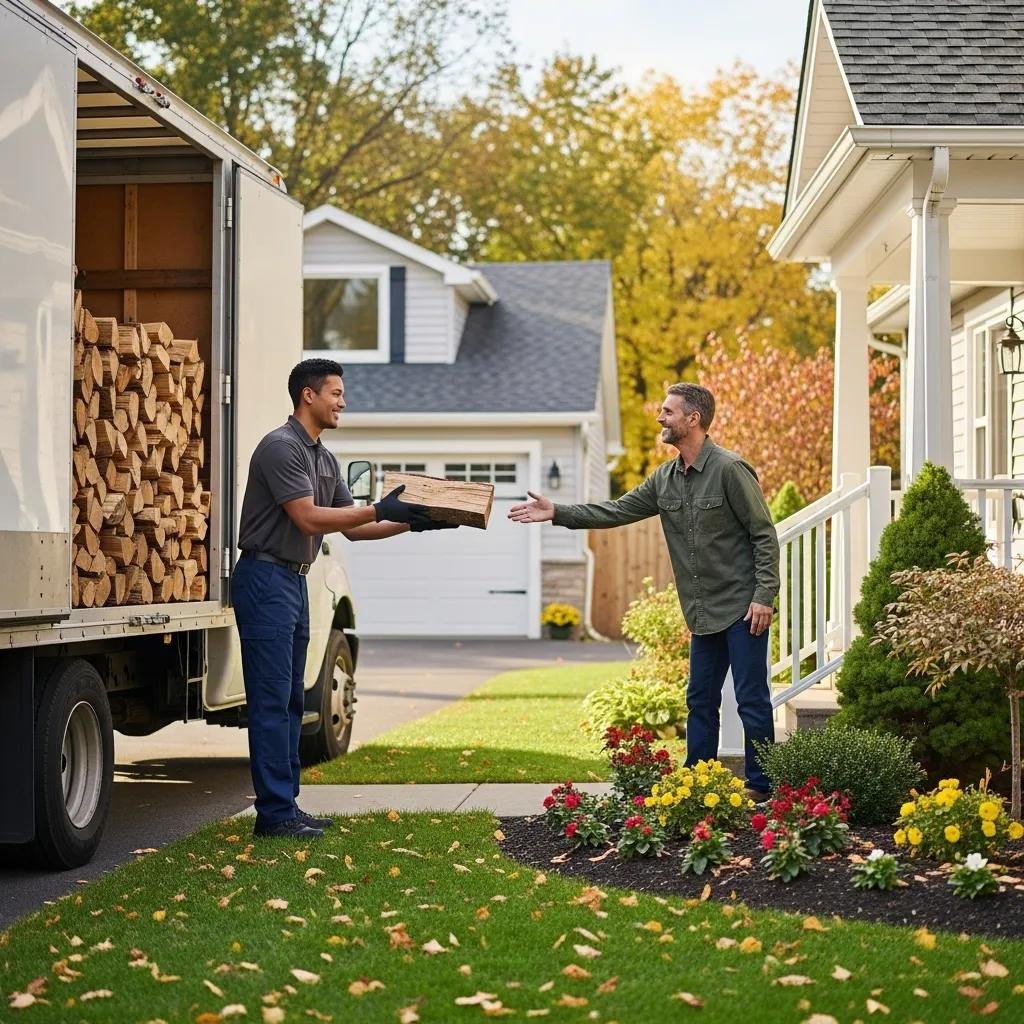
Firewood services usually offer curbside drop-off, full-service stacked delivery, and pickup-from-yard options, each with tradeoffs in price and convenience. Curbside or drop-off delivery places wood at an agreed-upon location on your property and is often the lowest-cost delivery option; full-service stacked delivery includes labor to stack wood in a designated spot and is preferable if you want ready-to-use piles. Pickup services let customers self-load or request staff-assisted loading at a yard; self-load saves money but requires a suitable vehicle and physical effort. Understanding these options helps you choose based on access, budget, and the amount of assistance you need, and it clarifies whether you should request stacking service, a specific drop zone, or a staff-assisted load at pickup.
Understanding the nuances of these delivery options is crucial, as effective last-mile solutions are key to customer satisfaction in logistics.
Last-Mile Delivery Solutions
To investigate and address the objectives, the extant literature was reviewed, leading to the identification of eight pioneering firms that had tried to address the last-mile delivery
Innovative VLE model for last-mile service delivery in rural India, A Paninchukunnath, 2019
Different service options have distinct logistical attributes and typical lead times, so comparing them before ordering reduces friction and clarifies cost expectations.
| Service Option | Attribute | Typical Value |
|---|---|---|
| Delivery (drop-off) | Lead time | 1–7 business days, varies by season |
| Stacked delivery (full service) | Labor included | Yes — includes on-site stacking at agreed location |
| Pickup (yard self-load) | Self-load required | Yes — assisted loading sometimes available for a fee |
How Does Firewood Delivery Work: Scheduling, Fees, and Stacking Services?
A standard delivery process begins with availability confirmation, then scheduling a delivery window, and ends with the drop-off or stacking at an agreed location; providers often confirm by phone or email. Delivery fees are determined by distance from the yard, quantity ordered, and whether stacking or difficult access is required; remote addresses, steep driveways, or narrow gates can trigger additional charges. Stacking services usually include labor to place wood into a neat stack at a safe drop zone and may require clear instructions about where to place the stack to avoid property damage. When scheduling, ask about confirmation procedures, what the delivery team needs for onsite access, and whether the crew can use a tarpaulin or pallet placement to keep wood dry.
Where Can I Pick Up Firewood: Locations, Hours, and Loading Assistance?
Pickup yards typically operate on a yard-hours schedule with specific loading areas and may offer assisted loading for customers who request it; confirming hours and any special instructions before you arrive prevents delays. To find a nearby pickup location, use service-area listings or call the supplier to confirm the yard address and hours for self-load or assisted-load options; bring appropriate vehicle measurements and straps if you plan to self-load. Loading staff may be available for a small fee or included for larger orders, and some yards require appointments for assisted loading to ensure adequate staffing. Prepare by checking vehicle bed dimensions, securing tarps and tie-downs, and confirming acceptable payment methods to complete pickup efficiently.
Which Types and Quantities of Firewood Can I Order for Delivery or Pickup?
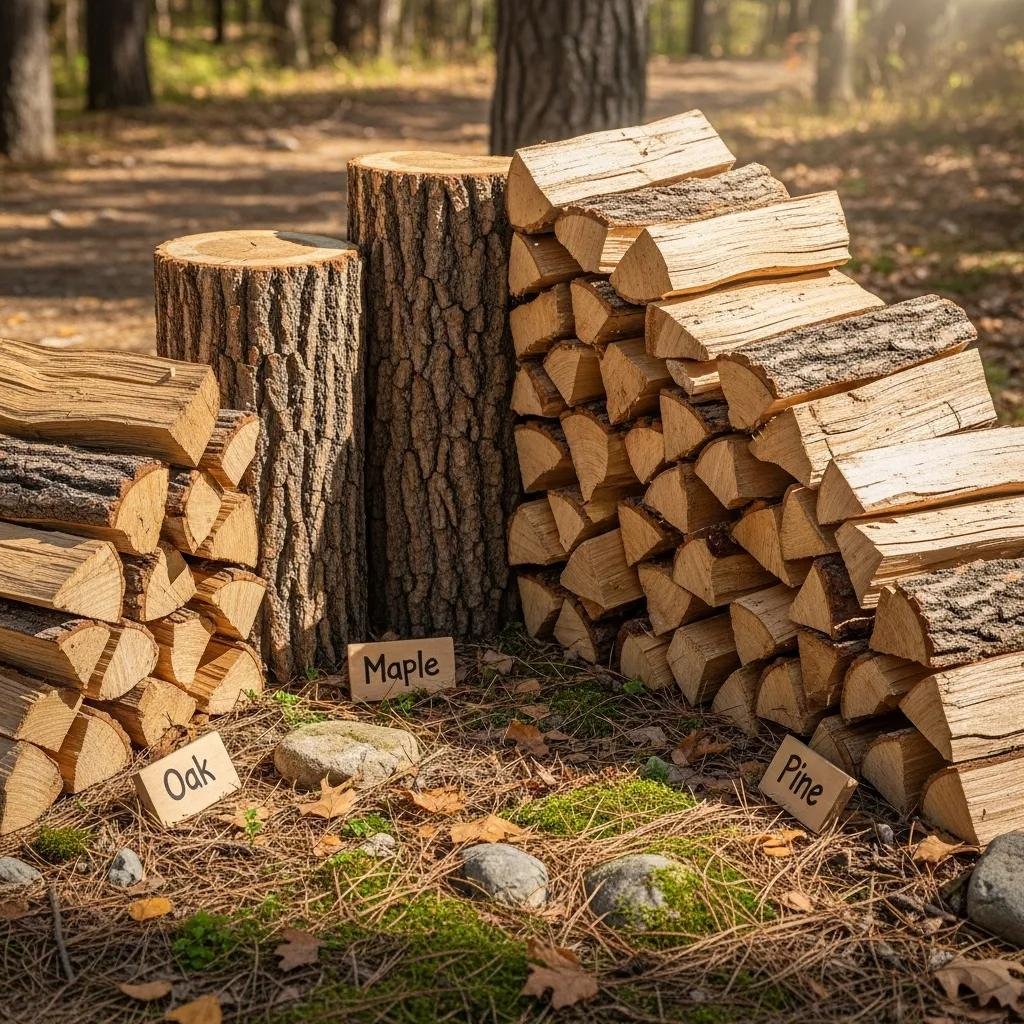
Firewood choices commonly include multiple species and quantities ranging from small bundles to full cords, with distinct performance characteristics and recommended uses. Species selection influences heat output, burn duration, and aroma; hardwoods like oak and hickory offer high heat output and long burn times ideal for home heating, while softwoods such as pine ignite faster and are often used for kindling or ambiance. Quantity units include bundles (for immediate small use), face cords (a single row of stacked wood, variable volume), and full cords (standardized large volume); choosing the right unit depends on your usage pattern, appliance size, and storage capacity. Understanding species characteristics and quantity definitions helps you estimate how much wood you need and whether to choose seasoned or kiln-dried firewood for your stove, fireplace, or outdoor cooking.
Before ordering, decide on the primary use (heating, cooking, ambiance) and storage options so you can match species and quantity to expected consumption and moisture requirements.
| Species | Best use / Burn characteristic | Notes |
|---|---|---|
| Oak | High heat output, long burn | Best for steady home heating; dense hardwood |
| Maple | Moderate-high heat, long burn | Good for sustained heating and clean coals |
| Pine | Quick ignition, aromatic | Useful for kindling and ambiance; watch for sparking |
What Firewood Species Are Offered and Their Best Uses?
Common species available from local suppliers include oak, maple, birch, hickory, and pine, each with practical advantages for different applications. Oak and hickory are dense hardwoods that deliver high heat output and long burn times, making them the preferred choice for primary home heating through the winter months. Maple and birch also burn well with steady heat and are often selected for their clean-burning characteristics and pleasant aroma, while pine offers fast ignition and strong scent, making it suitable for starting fires or for fires where quick heat is desired. Choose species based on your appliance — stoves handle dense hardwoods efficiently, while open fireplaces may benefit from faster-igniting wood combined with dry coals.
What Are the Available Firewood Quantities and Conditions?
Suppliers sell wood by bundles, face cords, and full cords; understanding these units and wood condition (seasoned vs kiln-dried) informs storage and burn performance decisions. A bundle is a small, ready-to-handle unit for short-term use; a face cord is typically one row of stacked wood and varies in volume, while a full cord is a standardized measure (128 cubic feet of tightly stacked wood) that supplies households for extended periods. Seasoned firewood has been air-dried and offers cost-effective burning if stored properly to reach safe moisture levels (typically below 20%), whereas kiln-dried wood is dried in controlled conditions, delivers lower moisture content (often below 15%) and cleaner, hotter burns, and usually commands a premium. Consider storage space, moisture management, and your stove or fireplace requirements when selecting both quantity and wood condition.
How Do I Place an Order for Firewood Delivery or Pickup?
Ordering firewood involves selecting species and quantity, confirming service area and delivery vs pickup, and providing scheduling and access details so the supplier can finalize the job; the process is designed to be straightforward whether you order by phone, email, or an online form. Before you place the order, prepare your ZIP code, delivery address or pickup yard preference, desired species and quantity, preferred delivery dates, and any special instructions about access or stacking. Clear communication of these elements reduces follow-up questions and speeds confirmation of your requested window. After placing an order, expect a confirmation that restates the agreed quantity, species, delivery method, estimated arrival window, and any applicable fees.
For customers ready to convert their decision into an order, contacting a local firewood supplier with the prepared checklist ensures the provider can confirm availability and finalize scheduling without delay.
What Is the Step-by-Step Process to Order Firewood Online or by Phone?
A concise ordering workflow helps secure timely delivery or pickup and reduces likelihood of errors during scheduling and fulfillment.
- Choose species and quantity: Decide between bundles, face cord, or full cord and indicate seasoned vs kiln-dried.
- Provide logistics: Give ZIP code, delivery address, access notes, and preferred delivery dates as option windows.
- Confirm and pay: Review the quote, confirm any additional services (stacking, assisted loading), and complete payment or set up payment-on-delivery arrangements.
Include photographs of the drop zone when possible and ask for a written confirmation of the delivery window; this ensures both parties share the same expectations and minimizes the chance of access-related surcharges.
How Can I Confirm Delivery Areas and Pickup Availability Near Me?
Confirming service coverage is essential before placing an order and can usually be done by checking a supplier’s service-area listing or by contacting their customer service for ZIP-code verification. If your address falls near the edge of a provider’s service radius, ask for explicit confirmation and inquire about fallback options like pickup from a nearby yard to avoid last-minute cancellations. Some suppliers maintain a service-area map or a ZIP-code list to streamline initial checks, and providing your ZIP code in the first contact accelerates this process. When a direct delivery is unavailable, explore coordinated pickup with assisted loading as an alternative to secure the quantity you need without extended wait times.
What Are the Pricing Details for Firewood Delivery and Pickup Services?
Firewood pricing has three main components: base price for the wood by species and quantity, delivery fees based on distance or access difficulty, and optional labor fees for stacking or assisted loading. Base price reflects species value and condition (kiln-dried commands a premium relative to seasoned), while delivery fees compensate for distance, fuel, and crew time; remote or difficult-access properties can add surcharges. Optional services such as on-site stacking or same-day rush deliveries are billed separately; requesting a precise quote that itemizes base wood cost and each additional fee helps you compare offers. Transparency in pricing — a written estimate listing base cost, delivery fee, stacking fee, and any access charges — reduces surprises and allows you to plan for the total delivered price.
| Quantity / Type | Base cost example | Delivery fee | Stacking available |
|---|---|---|---|
| Full cord | Varies by species; typically highest base cost | Distance-based; varies | Usually available for an extra fee |
| Face cord | Lower base cost than full cord | Often lower than full cord delivery | May be available |
| Bundle | Lowest per-unit base cost | May be included in pickup pricing | Rarely stacked for small bundles |
How Are Firewood Prices Structured by Type and Quantity?
Price structure depends primarily on species, quantity unit, and wood condition, with kiln-dried hardwoods commanding higher base prices than seasoned softwoods. Higher-density species such as oak and hickory cost more per cord-equivalent because of their superior heat output and longer burn times, whereas softer species and bundles have lower unit prices but may require more frequent replenishment. Seasonal demand and local supply constraints influence pricing as well, with peak winter months typically increasing base costs and reducing availability. When comparing offers, request per-unit pricing (e.g., per face cord or per full cord equivalent) and confirm whether prices reflect delivered cost or exclude delivery and stacking.
What Additional Fees Apply for Delivery, Stacking, or Special Services?
Common additional fees include distance or fuel surcharges, stacking or labor charges, difficult-access fees for steep or obstructed sites, and expedited delivery premiums for same-day or rush windows. Distance-based fees are often calculated from the supplier’s yard to your delivery ZIP code, while labor fees apply when on-site stacking or staff-assisted loading is requested; difficult access can be charged when trucks must use long carry distances or navigate tight entrances. To minimize extra fees, prepare an accessible drop zone, clear a path if necessary, and confirm vehicle clearance prior to delivery; discussing access details during the booking step can reduce unexpected charges at delivery time. Transparent communication about site conditions and service expectations is the easiest way to avoid surprise surcharges.
Where Can I Find Answers to Common Questions About Firewood Delivery and Pickup?
This section curates concise answers to the questions customers ask most often about ordering, delivery logistics, and product choices, with practical guidance that reduces friction during the purchasing process. Common topics include lead times, cancellation policies, quality guarantees, transport regulations, and the differences between seasoned and kiln-dried firewood. Clear, direct answers help you evaluate options quickly and determine whether to call, email, or submit an online order. If a question involves complex logistics — such as oversized deliveries or municipal transport rules — contacting customer service by phone and providing photos or detailed site descriptions is the most effective way to resolve the issue.
What Are the Frequently Asked Questions About Ordering and Delivery?
Top FAQs tend to cover scheduling, cancellations, refunds, and quality expectations; concise policies make transactions predictable and trust-based. Customers commonly ask about rescheduling deadlines, whether full refunds are issued for cancellations, and what quality guarantees exist if wood arrives wetter than promised; useful policies specify lead-time windows for cancellations and outline refund or replacement processes for substandard deliveries. Local transport or burn regulations (for moving firewood across jurisdictions) can affect your ability to purchase certain species, so ask the supplier about any known restrictions. When in doubt, document communications and ask for written confirmations of the agreed terms to protect both parties.
How Do Seasoned and Kiln-Dried Firewood Differ for Customers?
Seasoned and kiln-dried firewood differ primarily in moisture content, burn efficiency, and price; kiln-dried wood has lower moisture, burns hotter and cleaner, and generally costs more than seasoned wood. Seasoned wood is air-dried over months and can be cost-effective if stored properly to achieve safe moisture levels, but it may produce more creosote and smoke than kiln-dried wood when burned. Kiln drying reduces moisture to a controlled target, improving ignition, reducing smoke, and making it preferable for indoor stoves and cooking applications where cleaner combustion matters. When choosing between the two, balance cost against convenience, stove type, and air-quality considerations, and request moisture-level information if clean indoor burning is a priority.
- Check moisture content: Lower moisture improves efficiency and reduces creosote buildup.
- Match wood type to appliance: Dense hardwoods for stoves, quicker-burning wood for open fires.
- Ask for guarantees: Request clarity on replacement or refund policies for poor-quality deliveries.