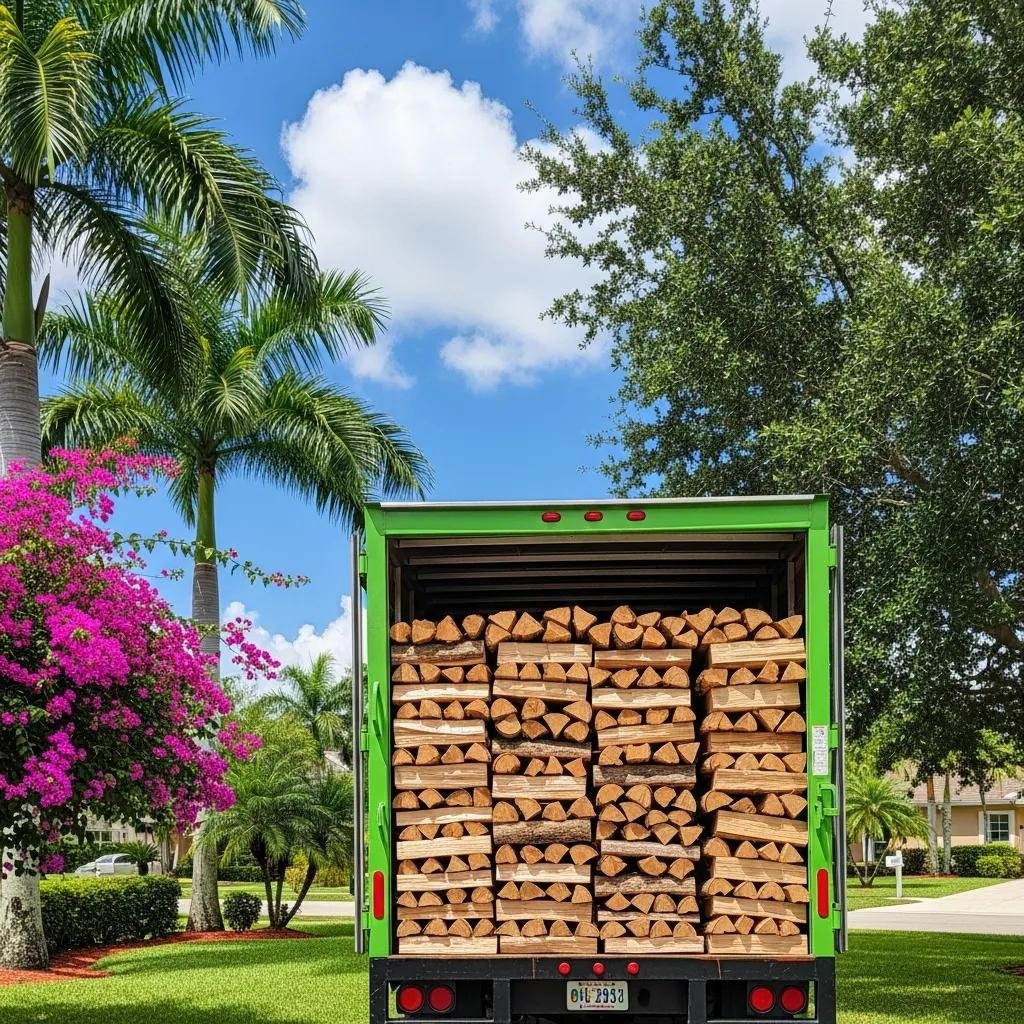
Premium Seasoned and Kiln-Dried Firewood Delivery in Central Florida
We are a local premium firewood provider delivering seasoned and kiln-dried wood to homeowners, chefs, and outdoor enthusiasts across Central Florida, combining high-quality wood fuel with dependable delivery. This article explains how our approach to selecting, processing, and delivering premium firewood produces a cleaner burn, stronger heat output, and an easier experience for fireplaces, fire pits, and cooking. Readers will learn the origins and values behind our family-oriented operation, the differences between seasoned and kiln-dried hardwoods, practical ordering and delivery logistics across Orlando and surrounding counties, and how to choose and store the right firewood for Florida’s humid climate. We’ll also compare common species like oak, hickory, and mixed hardwoods by burn time, aroma, and moisture content, and show why local sourcing and sustainable practices matter for the environment and the community. Finally, you’ll see real customer feedback themes and straightforward next steps for ordering and scheduling delivery in Central Florida.
Who We Are: The Story Behind Our Local Firewood Business
Our local firewood business began from a hands-on appreciation for well-seasoned wood fuel and a desire to serve Central Florida residents who wanted a dependable, cleaner-burning option for their fireplaces and outdoor cooking. The founding members brought practical experience in wood selection and seasoning, focusing on processes that reduce moisture and creosote while maximizing heat output. This emphasis on product quality and local service guided early choices about sourcing, splitting, and stacking, and formed the basis for ongoing community relationships. Understanding that technique and trust matter in wood fuel, we prioritize clear communication and consistent delivery to make reliable burns the norm rather than the exception.
How did our family-owned company start in Central Florida?
The company grew from a small, family-operated effort focused on supplying neighbors with properly seasoned oak and hardwood mixes that burned longer and cleaner than untreated wood. Early milestones included refining the seasoning process, learning to stack and cover wood for Florida’s humid climate, and building a delivery routine that respected customers’ time and property. Challenges such as moisture control and pest prevention informed our drying and storage practices, leading to better product consistency. Those lessons in the early years shaped a practical, quality-first culture that still guides decisions about which trees to source and how to prepare wood for customers across Central Florida.
What values guide our commitment to quality and community?
Three core values — quality control, sustainability awareness, and local engagement — drive how we source and handle firewood for Central Florida customers. Quality control shows up as moisture testing, careful splitting, and sorting by species to match customer needs for heat output and aroma. Sustainability awareness guides sourcing decisions toward locally available, responsibly harvested wood that reduces long-haul transport and supports regional ecosystems. Local engagement means partnering with nearby suppliers and events, and adapting offerings to the climate and uses common in Orlando-area homes and businesses, ensuring our operations benefit the community as well as the customer.
What Types of Premium Firewood Do We Offer in Orlando?
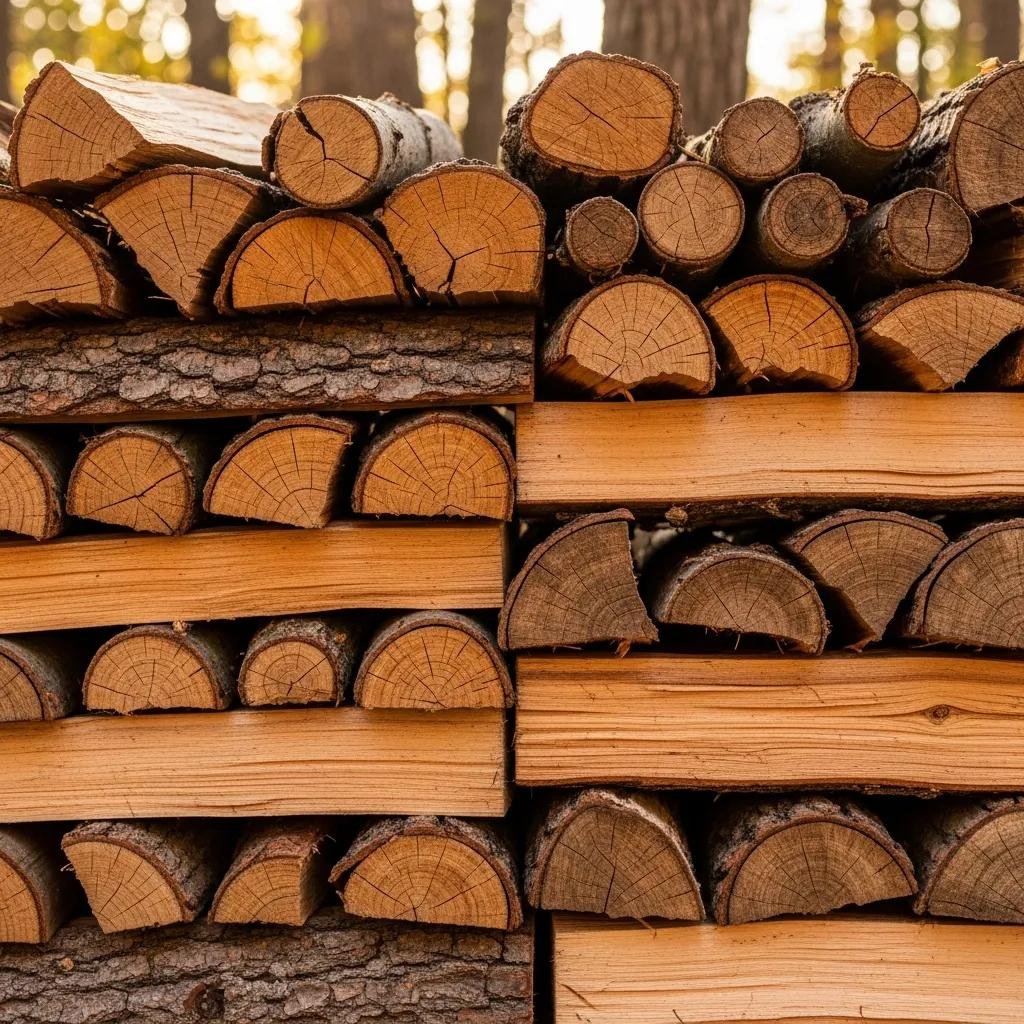
Choosing the right firewood species and processing method is essential for consistent heat and a clean burn in Central Florida’s climate. In this section we compare common premium hardwoods, explain the practical differences between seasoned and kiln-dried firewood, and offer recommendations for fireplaces, fire pits, and cooking. An explicit comparison table below lays out burn time, heat output, aroma, recommended uses, and typical moisture content so you can select the best wood for your needs. Understanding these attributes helps you match wood species and processing to your particular application, whether long evening burns, high-heat cooking, or quick-start ambiance.
We compare oak, hickory, and mixed hardwoods—three hyponyms of the broader firewood category—by practical attributes to illustrate how species and processing affect the burning experience.
| Wood Species | Typical Burn Time | Heat Output (Relative) | Aroma & Use |
|---|---|---|---|
| Oak (seasoned) | Long (3–4+ hours per log) | High | Mild aroma, ideal for steady fireplace heat |
| Hickory (kiln-dried or seasoned) | Long to very long | Very high | Strong, smoky aroma; excellent for cooking and high-heat needs |
| Mixed Hardwood (oak, maple, hickory) | Moderate to long | High | Balanced burn and aroma; versatile for fire pits and fireplaces |
This table clarifies that hardwoods like oak and hickory provide longer, hotter burns than softwoods, and that mixed hardwoods offer balanced performance suitable for varied uses. The next subsection details specific benefits of seasoned oak and other hardwoods.
What are the benefits of seasoned oak and other hardwoods?
Seasoned oak and other hardwoods deliver superior heat output because seasoning lowers moisture content and concentrates wood energy, which results in longer, more efficient burns. Hardwood logs produce higher BTU-equivalent heat per unit than softwoods and generate less popping and sparking, making them safer for indoor fireplaces and predictable for outdoor fire pits. Seasoned wood also reduces creosote accumulation compared with wetter wood, lowering chimney maintenance needs and improving indoor air quality during burns. These performance advantages make hardwoods particularly suitable for Central Florida customers who want reliable warmth and cleaner combustion.
- Hardwood logs burn longer and more steadily than softwoods.
- Lower moisture in seasoned wood reduces smoke and creosote buildup.
- Aromatic species like hickory add flavor when used for cooking and grilling.
These benefits explain why many homeowners prefer hardwoods for both heating and culinary applications. The next subsection contrasts seasoned wood with kiln-dried alternatives.
How does kiln-dried firewood improve your burning experience?
Kiln-dried firewood undergoes controlled heat and airflow to reduce moisture content to low, consistent levels, making it virtually ready to burn on delivery and avoiding the wait associated with air-seasoning. The low moisture yields immediate improvements: cleaner combustion, brighter flames, faster stove or fireplace warm-up, and reduced smoke for indoor use or cooking. For Central Florida’s humid climate, kiln-dried wood is particularly valuable because it resists reabsorbing ambient moisture when stored properly, and it simplifies storage needs for customers who prefer immediate usability. Those practical advantages make kiln-dried wood a convenient choice for people who need predictable performance without long onsite seasoning.
How Does Our Firewood Delivery Service Work Across Central Florida?
Understanding the ordering and delivery workflow helps customers plan for timely, safe receipt of stacked cords, pallets, or face cords of firewood across the service area. This section outlines how to request firewood, what to expect in scheduling and delivery, and compares common delivery options by lead time, typical quantities, and pricing model. A clear step-by-step list below serves as a quick reference for ordering and delivery expectations, and a table follows that compares delivery options and typical logistics. Reliable delivery depends on clear scheduling, driver communication, and safe placement practices—details we emphasize to minimize disruption and ensure proper stacking at delivery.
For customers, a straightforward ordering and delivery workflow reduces uncertainty and ensures the right wood arrives when needed.
- Request: Contact the provider to specify wood type, quantity, and preferred delivery window.
- Processing: Orders are confirmed, wood allocated, and a delivery slot scheduled based on zone lead times.
- Delivery: Drivers arrive within the scheduled window, place wood according to customer preference, and confirm completion.
- Follow-up: Customers inspect the delivery; any adjustments or service notes are recorded for future orders.
This stepwise list provides a concise featured-snippet-style summary of the delivery process that customers can use to plan. The table below compares typical delivery options and logistics across Central Florida.
| Delivery Option | Lead Time | Typical Quantity | Pricing Model |
|---|---|---|---|
| Local Zone Delivery | 1–3 days | Face cord / stacked cords | Per face cord or cord pricing |
| Bulk Pallet Delivery | 3–7 days | Pallets (multiple cords) | Per pallet or bulk rate |
| Scheduled Replenishment | Weekly–monthly | Variable | Subscription or per-delivery pricing |
This comparison clarifies that lead times and typical quantities vary by delivery option, and that pricing models are commonly structured per face cord, cord, or pallet depending on volume. Next, we outline the specific areas we serve and how to check eligibility.
Which areas do we serve with reliable firewood delivery?
Service coverage typically focuses on the Central Florida region, including Orlando and nearby counties where delivery logistics are optimized for timely service. Primary service areas include urban and suburban zones where safe access and placement are feasible for delivery drivers, and extended zones may have slightly longer lead times due to distance. Customers are advised to confirm eligibility for delivery by providing their general location when ordering so scheduling can account for driveway access and placement preferences. This local knowledge helps ensure efficient delivery windows and reduces the chance of failed deliveries that can occur when access or placement isn’t discussed in advance.
- Service emphasis: Central Florida urban and suburban zones.
- Expectation management: Longer travel distances typically increase lead time.
- Confirmation: Provide delivery location details to confirm eligibility and placement.
These points prepare customers to check delivery eligibility and plan around lead times. The next subsection explains why our delivery process is convenient and dependable.
What makes our delivery process convenient and dependable?
Convenience and dependability come from transparent scheduling, professional drivers, and flexible drop-off options tailored to customer needs. Drivers follow placement protocols—stacking on pallets where requested, offering doorstep or designated-area delivery, and using contactless drop-off if preferred—to minimize disruption and respect property. Scheduling windows are communicated in advance, and contingency plans are used for weather or access complications to keep delivery predictable. These operational practices reduce friction for customers and maintain consistent service quality, which builds trust over repeat orders.
- Scheduling transparency: Clear delivery windows and confirmations.
- Placement options: Pallet stacking, doorstep placement, or customer-directed placement.
- Professional handling: Drivers trained in safe stacking and respectful property access.
This operational approach leads naturally into a practical comparison of delivery options and expected timelines for different Central Florida zones.
Why Choose Local Firewood Suppliers in Florida?
Choosing a local supplier brings advantages that go beyond convenience: local expertise about species and climate, fresher product with reduced transport emissions, and economic benefits from keeping commerce within the community. Local suppliers know which species perform best in Central Florida’s humidity and can advise on seasonality and storage. Sourcing locally reduces transport distance and the carbon footprint associated with long-haul deliveries, and it supports local job creation and partnerships with nearby businesses. Below is a table that maps sustainability attributes to sourcing practices and environmental outcomes to make these benefits concrete.
Sourcing firewood locally offers environmental and community advantages that larger, remote suppliers often miss.
| Sourcing Practice | Environmental Impact | Certification/Status |
|---|---|---|
| Local procurement | Lower transport emissions and fresher product | Locally verified sourcing |
| Responsible harvest | Less habitat disruption and managed removal | On-the-ground oversight |
| Short supply chains | Reduced storage time and better moisture control | Traceable supply steps |
This table connects specific sourcing practices to measurable environmental outcomes and traceability, illustrating why local suppliers can deliver both quality and sustainability. The next subsection explains sustainable sourcing impacts.
How does sustainable sourcing impact Central Florida's environment?
- Sustainable sourcing reduces long-distance transport and emissions.
- Responsible harvesting avoids unnecessary ecosystem damage.
- Local sourcing supports regional forest management and regeneration.
These environmental benefits tie directly to community advantages, discussed next.
What community benefits come from supporting local firewood businesses?
- Economic benefits: Retains spending in the local economy and supports jobs.
- Partnership benefits: Local businesses gain reliable access to quality wood for cooking and events.
- Educational benefits: Community outreach on safe and sustainable wood use.
This community focus naturally leads into practical guidance on selecting the right firewood for specific needs.
How Can You Select the Right Firewood for Your Needs in Central Florida?
Selecting the right firewood requires matching wood species and processing to the intended use—heating, cooking, or fire-pit ambiance—while accounting for storage limitations and local humidity. The first step is to define your primary use-case, then choose a species and drying method that delivers the appropriate heat profile and flavor characteristics. Storage and handling practices are equally important in humid climates; simple measures like elevating stacks and covering tops preserve dryness and reduce pest risks. Below is a short list of top wood choices by use-case and a practical storage-how-to that addresses Florida-specific concerns.
What firewood types are best for heating, cooking, or fire pits?
Different uses demand different wood characteristics: steady, high-heat species for heating; aromatic, clean-burning woods for cooking; and versatile mixes for fire pits and ambiance. For heating, dense hardwoods like oak or hickory offer the long, steady burn that maintains warmth with fewer reloads. For cooking, species with distinctive flavors—hickory and certain fruitwoods—provide desirable smoke profiles and consistent heat for grills and smokers. For casual fire pits, mixed hardwoods deliver balanced burn times, moderate smoke, and pleasant aromas suited to family gatherings and outdoor entertaining.
- Heating: Dense hardwoods deliver steady, long-lasting heat for indoor fireplaces.
- Cooking: Aromatic hardwoods provide flavor and consistent high heat for grills.
- Fire pits: Mixed hardwoods balance burn time and aroma for outdoor ambiance.
These recommendations help match species to purpose, and the next subsection details best practices for storing and handling wood in humid Central Florida.
How should you store and handle firewood for optimal use?
Proper storage and handling preserve wood quality and reduce pests and moisture problems common in Central Florida’s humid environment. Elevate stacks off the ground on pallets or rails to maintain airflow and keep wood away from soil moisture and pests. Cover only the top of stacked wood to protect from rain while allowing side ventilation, which prevents trapped moisture and fungal growth. Keep wood at least several feet away from structures to reduce pest transfer to buildings and to allow for airflow that aids drying and discourages insects.
- Elevate stacks to improve airflow and reduce ground moisture absorption.
- Cover tops but leave sides open to prevent trapped humidity and rot.
- Store wood away from house walls to reduce pest migration and moisture transfer.
Following these storage practices will extend the life and performance of your firewood and make burns cleaner and more efficient in Florida’s climate.
What Do Our Customers Say About Our Premium Firewood and Service?

Customer feedback highlights recurring themes that indicate product quality and service reliability, including praise for consistent dryness, strong heat output, and courteous delivery. Testimonials often emphasize the practical advantages of properly seasoned or kiln-dried wood—fewer smoky starts, faster heat, and easier handling at delivery. Review aggregates typically show appreciation for trustworthy scheduling and careful placement, which reduces the effort customers must spend stacking and storing wood. These patterns in feedback guide ongoing improvements to product handling and delivery practices.
Which testimonials highlight our quality and customer care?
Representative customer remarks focus on product consistency and professionalism in delivery, often noting that the wood burned cleanly and required less tending than alternative sources. Customers in neighborhoods across Central Florida cite dependable arrival windows and helpful placement guidance as reasons they reorder. Short contextual quotes reflect satisfaction with both the wood itself and the delivery experience, reinforcing the importance of quality control and courteous service. These firsthand observations validate the operational emphasis on drying standards and careful scheduling.
How do local reviews reflect our commitment to Central Florida?
Local reviews cluster around a few consistent themes: reliability, product quality, and friendly service—each reinforcing the company’s focus on meeting Central Florida needs. Reviewers frequently mention that durable hardwoods arrive with low moisture, producing a cleaner burn that reduces chimney maintenance and enhances indoor comfort. Feedback also informs service adjustments, such as refining delivery windows and offering clearer storage advice tailored to humid climates. This iterative feedback loop helps ensure the company remains responsive to customer needs and local conditions.
For readers encouraged by these reviews, a simple next step is to request a delivery quote or schedule a first order using the provider’s standard contact channels and delivery-zone checker. This final invitation leverages social proof to guide action without imposing specific transactional details.